Guide · updated 2026-10-12
Infrared vs Traditional Sauna: Which Should You Choose?
Infrared vs traditional sauna: how each one heats, how they feel, typical temperatures and session styles — and which fits your contrast routine best.
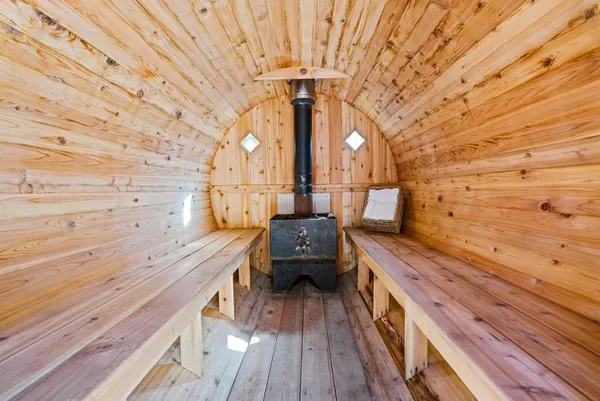
Walk into any sauna studio and you will face a choice: the classic wood-lined room with a hot stove, or the modern cabin glowing with infrared panels. Both count as "the hot side" of a contrast routine, but they heat you in different ways and feel quite different. Here is how to pick.
How a traditional sauna works
The traditional sauna — rooted in Finnish bathing culture — heats the air in the room, typically to somewhere between 150°F and 195°F. A stove (electric or wood-fired) heats stones; ladling water over the stones creates a burst of steam called löyly, which spikes the humidity and makes the heat feel more intense.
The experience: enveloping, intense heat. You sweat quickly and heavily. Sessions are often social — traditional saunas are built for several people — and many bathers alternate between the hot room and cold water or cold air, a rhythm that goes back centuries in Nordic countries.
How an infrared sauna works
An infrared sauna uses panels that emit infrared light, which warms your body directly rather than heating the air first. The air temperature stays much lower, usually around 110°F to 140°F, while you still break a strong sweat.
The experience: gentler-feeling heat that builds steadily. Because the air is cooler and dry, many people find infrared easier to tolerate for longer sessions, and the cabins are often designed for one or two people — private-suite studios like Perspire and beem Light Sauna are built around this format.
Infrared vs. traditional: side by side
- Heat source: hot air and steam (traditional) vs. infrared panels warming you directly (infrared)
- Typical air temperature: 150–195°F (traditional) vs. 110–140°F (infrared)
- Humidity: variable — dry until water hits the stones (traditional) vs. consistently dry (infrared)
- How it feels: intense, enveloping heat with steam bursts (traditional) vs. steady, deep warmth that builds gradually (infrared)
- Typical session length: 10–20 minutes per round (traditional) vs. 20–40 minutes (infrared), though this varies by studio
- Setting: often communal and social (traditional) vs. often private or semi-private (infrared)
- Cost: traditional public saunas and bathhouses are often cheaper; private infrared suites trend toward the premium end
What about red light therapy?
Many infrared sauna studios also offer red light therapy — panels of red and near-infrared light used as a separate wellness amenity, often in or next to the sauna suite. Chains like Perspire and beem Light Sauna bundle it with sauna sessions. It is a different thing from the sauna's heating panels: sessions are short (often 10–20 minutes), you do not sweat, and it is offered as a general wellness amenity. The research on it is still early. See our red light therapy guide for details.
Which should you choose?
There is no universally "better" option — it comes down to preference and practicality:
- Choose traditional if you love intense heat, enjoy the ritual of steam, prefer a social atmosphere, or want the most affordable per-session option.
- Choose infrared if very high air temperatures bother you, you want a private session, or the studios near you are infrared-based (many US contrast studios are).
- For contrast routines, either works. The hot side of contrast therapy just needs to get you thoroughly warm before the cold. Pick the heat you will actually use consistently.
If you are new to heat entirely, infrared is the gentler on-ramp. If you grew up with or love the classic sauna ritual, nothing else quite replicates the traditional room. Try both via intro offers and let your own comfort decide.
Find sauna studios near you
Browse studios by state and filter by sauna type to find traditional, infrared, or both in your city. And review sauna etiquette for first-timers before your first communal session.
Safety and comfort notes for both types
Whichever you choose, the safety basics are the same: hydrate before and after, leave if you feel dizzy or nauseous, and skip the sauna entirely if you are ill, dehydrated, or have been drinking. People with heart conditions, high or low blood pressure, or who are pregnant should talk to a doctor before using saunas regularly — heat stresses the cardiovascular system just as cold does. Beginners should start with shorter rounds (10 minutes or so) at moderate temperatures and build up. Neither type is "safer" in any absolute sense; overheating and dehydration are the risks to respect in both.
Trying both: what to notice
If your city has both types — and many do — the cheapest education is a pair of intro sessions, one of each, a few days apart. Pay attention to: how quickly you start sweating, whether you enjoy the intensity or just endure it, how you sleep that night, and which experience you actually look forward to repeating. The "right" sauna is the one you will use twice a week for a year, not the one with the more impressive spec sheet. Many contrast regulars end up with a preference they did not expect, so let experience — not marketing — decide.
The content in this guide is for informational purposes only and is not medical advice. Cold plunge studios vary in how they operate, and prices and availability change often — confirm details with the studio before you book. Read our full disclaimer.